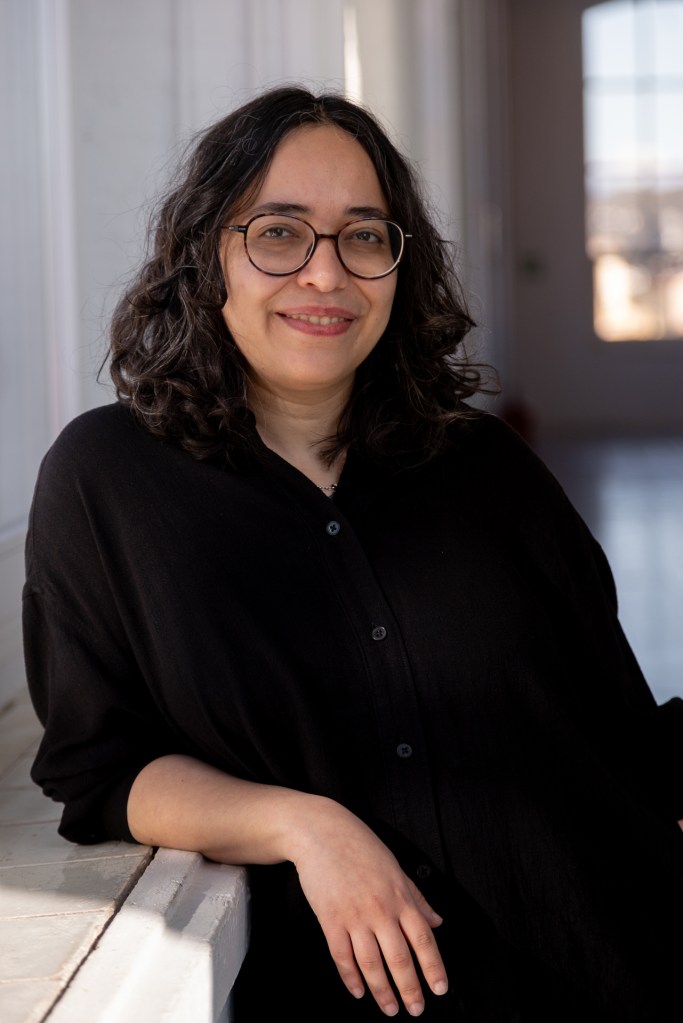
I came across Huda’s work through the announcement for the exhibition Lebt und arbeitet in Wien: Contemporary Art from Vienna (01.05. – 26.10.2026) at Kunsthalle Wien, and was immediately fascinated by it. It brings you into it’s world from the first moment on through something inside you being touched directly and deeply. It’s very honest, laying itself bare and being vulnerable, which makes it (all the more) powerful.
For the following I had the pleasure to meet Huda at her studio for an interview:
Luna Maluna Gri: Tell me a bit about yourself and your work.
Huda Takriti: My work is about the gaps that exist in narratives. Specifically, historical and statenarratives. I am interested in archival gaps, but not in a way that fills them or makes the “invisible” visible, as I think this is deeply rooted in the European/Western approach towards “incompleteness” or towards anything that is not related to the west. My interest is in understanding how the gaps come about and how we can work within them rather than to fill them them, especially as we all know they result from forced erasure and attempts to control narratives related to colonization and state control.
LMG: How and why did you start creating art?
HT: I don’t really remember the moment I decided to become an artist. I think it was like this: my mother always told me that when I was a child, I was really into art, and kept doing it, but I think every child is always drawing all the time. After finishing high school and preparing to apply to a university in Syria, it was a natural decision to apply to the Academy of Fine Arts there. But that was not enough, as the university system is different there, so when you are applying it is not only about the entrance exam of the Academy but you have to go through another process in which you need to put down a list of up to 20 wishes, and based on your grades, a computer will choose a direction for you. In that moment, back in 2008, I understood that I could not imagine doing anything else in my life, and gladly I got through the entrance exam and the computer agreed.
LMG: I can relate. I also work as an artist and I tried other things, also partly because I thought, oh, I have to do a “normal” job, but I always came back to art. And then I decided, okay, I’m going to apply for art universities and really go that way.
HT: It really becomes an obsession that you cannot let go of. I mean, of course, I will get a job and work, hopefully teaching, but this, for me, is a question about survival.
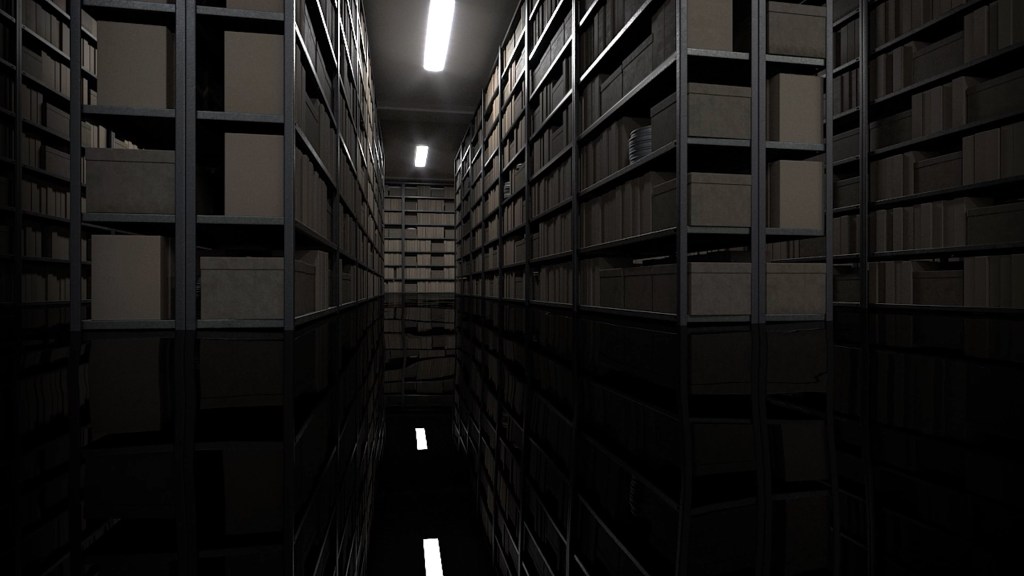
Still, Refusing to Meet Your Eye, 13’’10”, HD, colour, B&W, sound, 2022
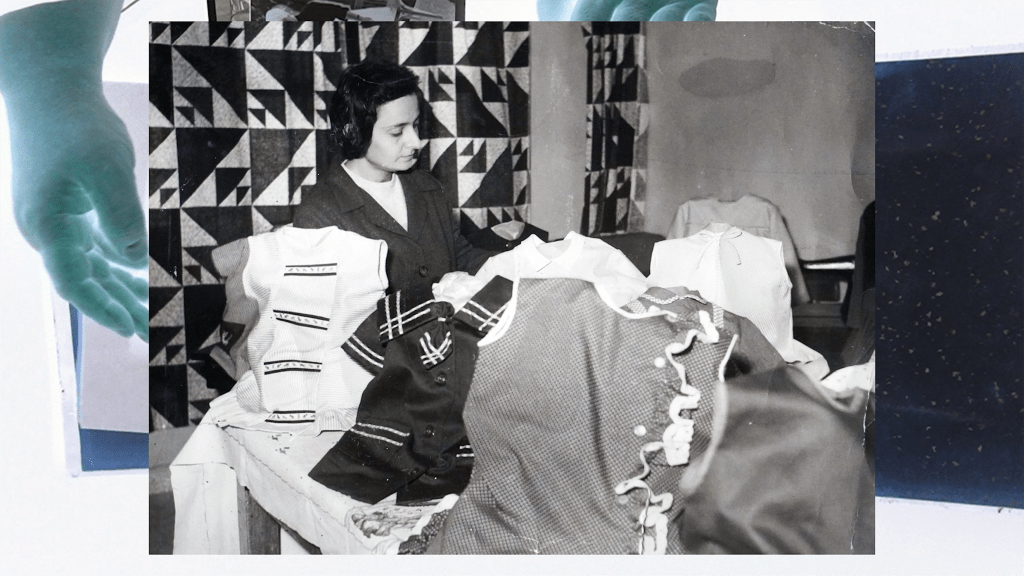
Still, On Another Note, Two-Channel Video, 24’12”, HD, colour, B&W, sound, 2024
LMG: What role does creating art play for you?
HT: It’s kind of a repetition of what I have previously said. The role is this obsession, where you become unable to let go of an idea, a concept, or an image. Then creating art also becomes a response to what’s unfolding in the world. Especially over the past three years, and as the genocide in Gaza continues to unfold, there were moments when I felt that I could not continue to think of or make art. I don’t see the point of doing art anymore. But then, it has its ways of pulling you back, and you get dragged into it again. But there’s always this time when you just give up. I think the role of creating art is a kind of resistance. Or an attempt to stay sane.
LMG: Sadly it is. But yeah, in a way it’s surviving and resisting.
HT: Totally.
LMG: What does your creating process look like?
HT: As I said, I become obsessed. It starts with something you cannot get out of your mind, and then you start asking questions about it. For me, most of the time, it’s something that I come across accidentally that draws me in. I don’t really look for ideas. I’m not going around and reading books with the aim of finding something to work on. It’s really something I just randomly come across, and then I start asking questions around it. It stays with me; that is how the process starts. Then I start researching, and it moves on from there. Most of my work is also based on research. So one thing leads to another, and then it becomes a video or a photo, etc. I actually don’t think I have a specific medium, even though I’m now mostly working with video. Maybe the narrative andlanguage draw me into working with video. But I certainly don’t decide the final outcome beforehand; it comes later in the process.
LMG: That’s nice because you really get immersed into it and then just see what form fits best for it to come into being. Also, you give yourself more freedom.
HT: Definitely, because if you’re really fixed on only doing painting or photography, for example, it becomes restrictive. I see it now, from interactions with other artists or younger generations in the academy, for example. There is this fixation to go back into this moment where painting meant painting, and it was separate from sculpture. As if these mediums don’t interact and cross paths with each other. I noticed, as well, that there is again a tendency to create these different sections of, you know, what is “fine arts” and what is not. And I think it’s a dangerous pattern that we need to work against. We don’t need to be put into boxes again and forced to perform in them as artists to satisfy the gallery, the collector, or the institution.
LMG: Yeah, it constricts yourself in a way. For me, these strict separations also don’t make sense that much. It’s much freer to really give yourself the freedom of media.
HT: Totally, and I think for me, because I did my bachelor’s in Syria, which was a very different system. In the first year, you study five majors: painting, sculpture, engraving, graphic design, and interior design. Then, in the second year, you have to choose one of those five majors until graduation. You’re not allowed, as someone who’s doing painting, to use the sculpture studio. Because some professors weren’t eager to see students they didn’t know in the studios. In my case, I had friends from other departments. So, I was able to use other studios when professors weren’t there. It was so separated that it became a rule that you couldn’t use something. I think that’s why I am against doing only one thing. But I’m also somehow thankful for the structure of my bachelor’s degree in Syria, because at the same time, when we were doing this, theoretical work went hand in hand with it. When you are 18 and starting art, you have to study art history, critical studies, and all the other things. So I think it was like a foundation that, in my case, was needed. And so, I’m thankful for that at least.
LMG: Yeah, I get that. I mean, I study at Angewandte too, transmedia art, and we have to do some art history courses and stuff, but yeah, it’s not that important. It’s more because you have to do it and to get the points and to complete your diploma.
HT: Yeah, in our case, we really have to do it because if we fail, for example, art history of the second year, with another two majors that are theoretical, we fail the whole year. And we have to repeat the practical part of the second year. So, it’s not something secondary. It is as important as the practice. But that’s also good in a way.
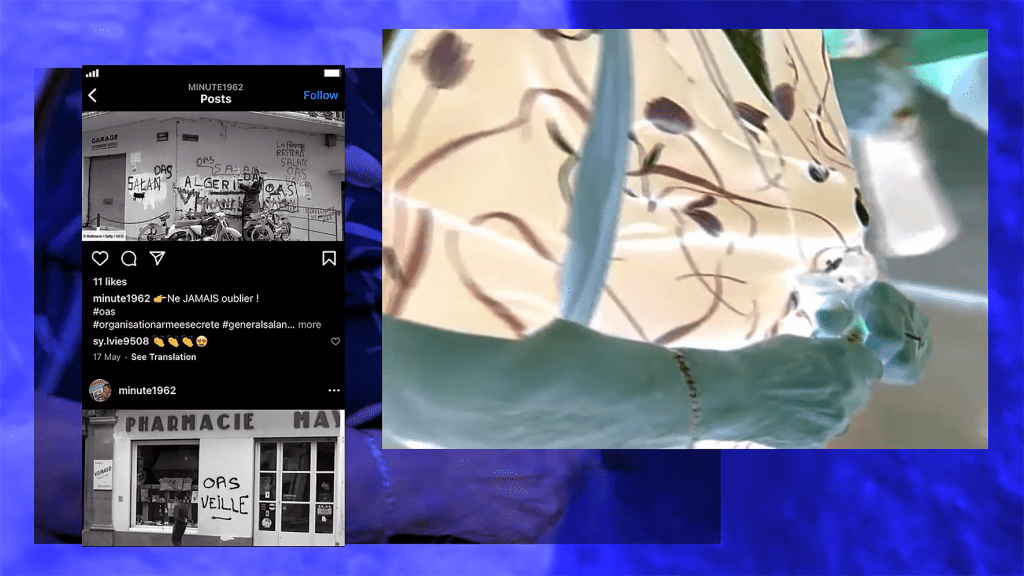
Still, Fluid Grounds, 11’28”, 4K, colour, B&W, sound, 2023
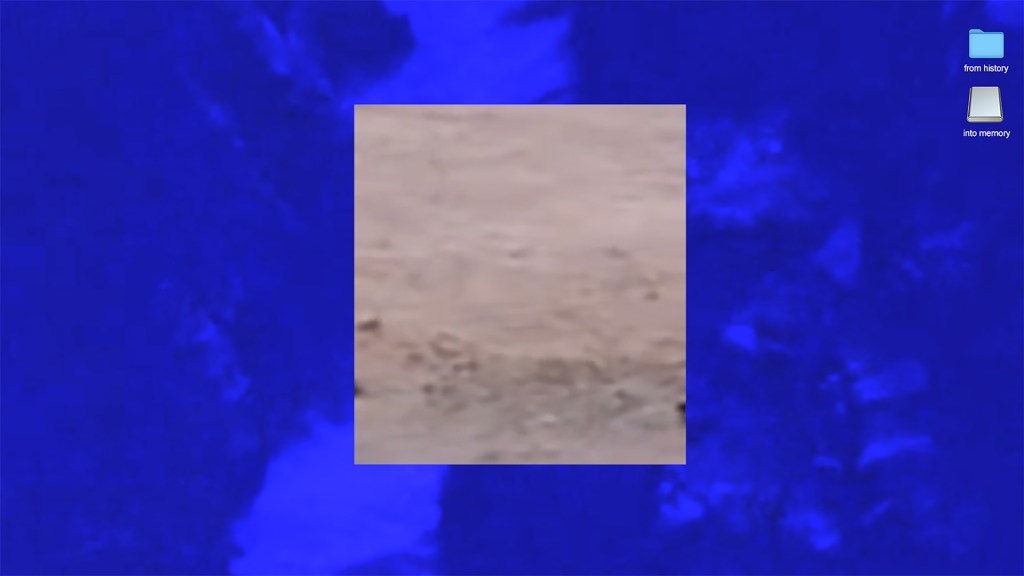
Still, Fluid Grounds, 11’28”, 4K, colour, B&W, sound, 2023
LMG: You touched a little bit on it already, but what inspires you?
HT: My inspiration comes from daily life—the things I encounter and experience.
LMG: What is your experience with the art world?
HT: Like a general experience?
LMG: Like different art worlds you experienced or the system, the market, whatever.
HT: There are a lot of different things, and there are, of course, experiences in each one of them. I cannot say that it’s only good or bad. The experience, for now, I feel, is more a desire to reconnect with the roots. Because the way that the art world is built, or maybe its institutional structure, seems to work against social desires, even though it claims care, collectiveness, and solidarity, and so on. But, truly, it is more built on tokenizing these concepts than on working towards them. Constant production is a priority in navigating the art world these days, and it does not allow the artist to stop and reflect on the work they have done. Maybe it reflects the state of the world under capitalism. Art became a product to be consumed quickly.
LMG: I mean, I think in part it maybe always was like that. But I also think it changed a little. Or it became more. This need to always keep going and producing more and showing more without really having the time to stop. Also through social media, I think that also plays a part of it. Like having to market yourself in that way. And it’s really exhausting also.
HT: Totally, yeah. But at least we have collectives and other forms of being together. There is a community. There is this experience, even though I wish that it would a default. I think the art world is also built on making a lot of separations between artists themselves. Especially with funding, residencies, prizes, etc. It’s built on competition, so you drift further away from your community to be able to support yourself and your work financially. But I think there are many different experiences. A lot of new different shapes are being born as well.
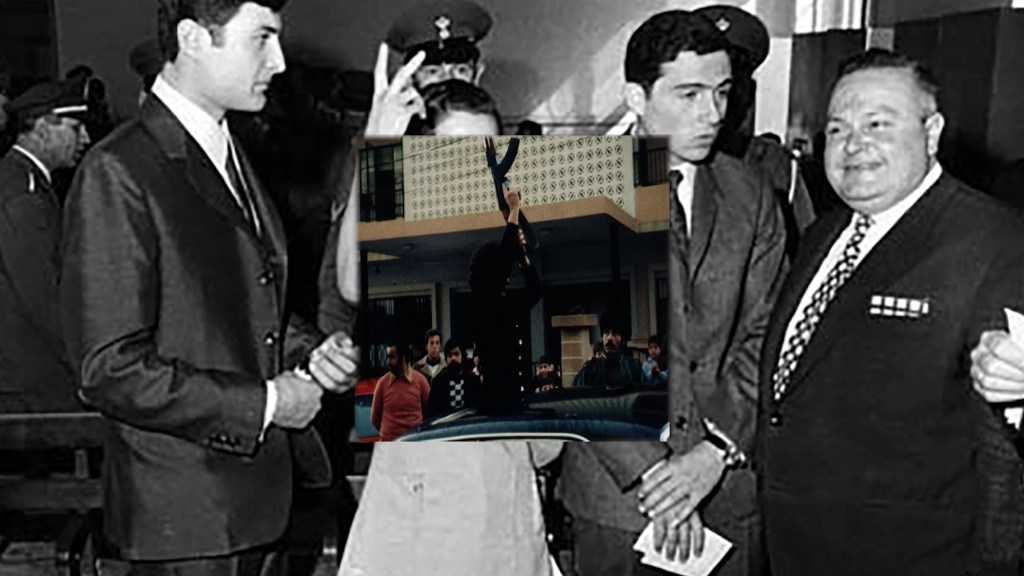
Still, Refusing to Meet Yor Eye, 13’’10”, HD, colour, B&W, sound, 2022
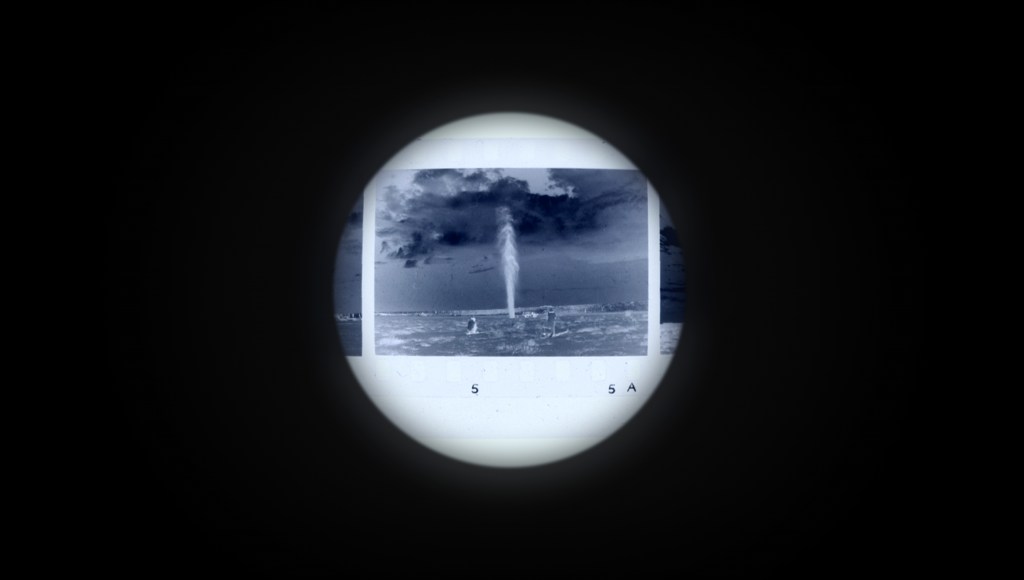
Still, It is Always Midnight in Their Minds, 16’40”, 4K, colour, B&W, sound, 2026
LMG: Is there something you want to change about the art world? Or specific art worlds? Or systems in the art world? And if yes, what and why?
HT: Yeah, definitely. Let’s say the whole structure of the art world, at least in the way that the West dominates everything; We see museums and Biennales in the Arab world, for example, being directed by American or European curators or build around Western models as if nothing grows outside of this bubble. Speaking from personal experience: I haven’t experienced other forms because I moved here, did my master’s here, started my career here, and now I’m doing a PhD. So basically, I was bound to Austria or Europe in my practice for a long period. Now I’m starting to have experiences outside of that. I feel like the whole structure of the art world is something that we really need to reconsider. It cannot go on like this. To be based on a market, on proximity to power, the ridiculous list of 100 most powerful names in the art world is one example; it just doesn’t make sense to talk in these terms of power and dominance.
LMG: I agree, it needs a whole system change.
HT: Also, there are these hierarchies in the art world. Between directors, museums, curators, powerful artists, famous artists, emerging artists, etc.
LMG: Which is also a reflection of the whole world system.
HT: It’s connected.
LMG: What do you think is the role or are the roles, of art and artists in our society?
HT: I don’t know who said it, I forgot the name, but it’s something that is always on my mind. It’s this idea that we need to reflect the times, that the artist’s job is to reflect the times. When you’re not in connection with the time and what is happening, then what are you doing? And who is your work directed to? And I think for me, I really feel that. That is the most important thing that we can work on.
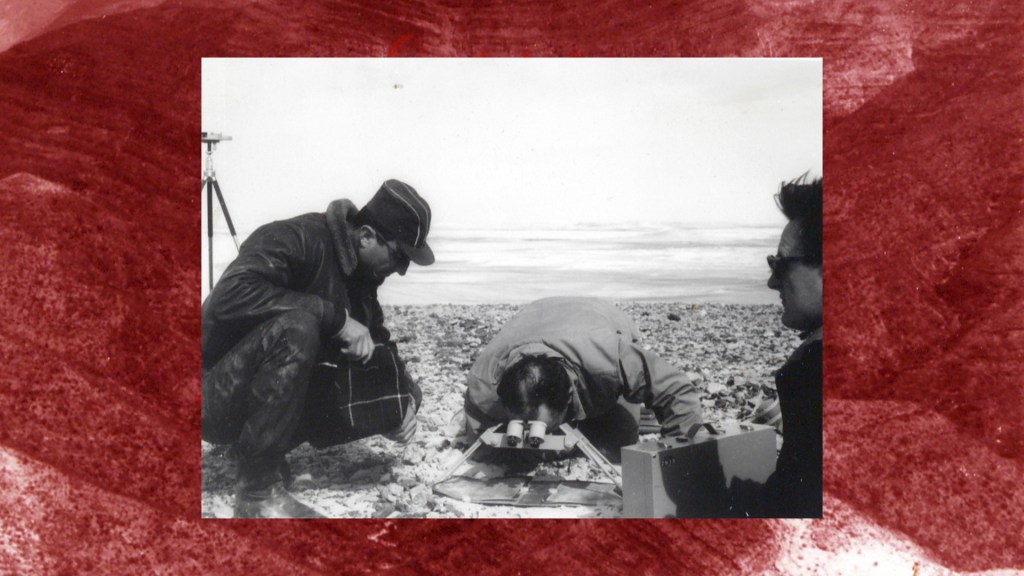
Still, It is Always Midnight in Their Minds, 16’40”, 4K, colour, B&W, sound, 2026
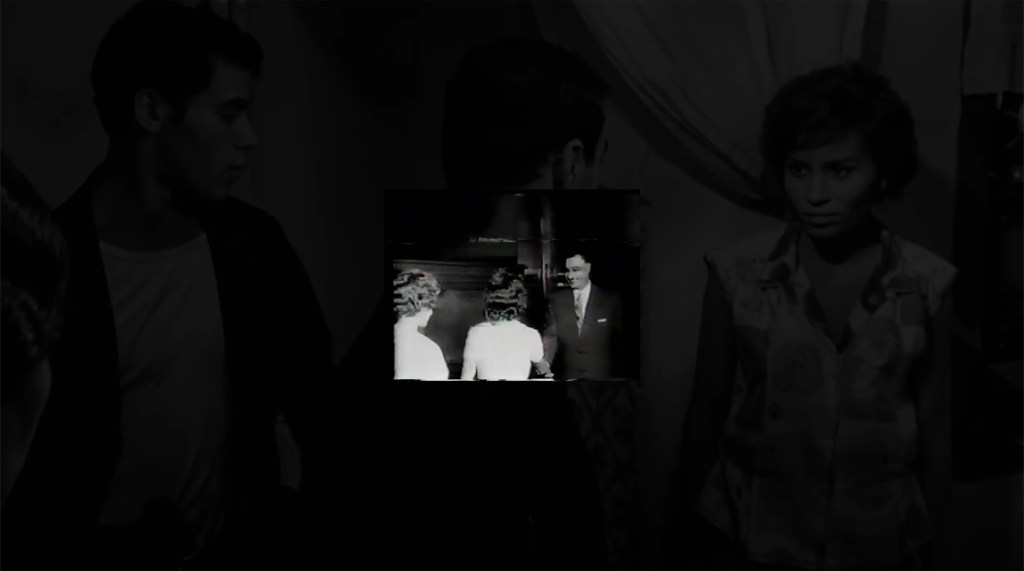
Still, Clarity is the Closest Wound to the Sun, 14’35”, 4K, colour, B&W, sound, 2023
LMG: What artist or artists would you like to meet (dead or alive) and if you had one question what would you ask them?
HT: The two people I would like to meet are writers. The first is Ghassan Kanafani, who’s a Palestinian writer and political figure, and the second is Octavia Butler, an American writer and poet. Both wrote fiction. I feel that I’m always navigating towards them and always go back to some of their books or texts and think of how connected they were with their times and how they are able to write with such clarity, even though they were writing fiction, it’s really emotional in a way, it really drives you and even extends to reflect our times. Maybe I would ask them, “How did you continue when the world felt heavy?” I think I would ask them that because I feel that there’s a lot of resistance in their writing. That is what always brings me back into it.
LMG: Is there something you would like to achieve in your art life? Like dreams? Future plans? Or projects you would like to do?
HT: I don’t think there is a separation between life and the art life. For me, I’m just living, and I’m doing what I can do. Lately, I’ve felt this need to go back to Syria. Or to be in connection with Syria again. After the fall of Assad, I had already been there three or four times, and I feel there is a need to be there, regardless of what you do or do not do. I don’t think in art terms right now or navigate my life around them. And when I think of going back, I don’t think of it as an action that is related to art or confined to thinking around art. Maybe it is about having a space where people can just sit together and exchange, with no strings attached, no physical outcome. Just sit and be together.
LMG: I think that can also be so powerful to just build a community but also connect with people who have no connection to art or the art world specifically.
HT: Yes, because there’s always this ego of the art world, this concept that everything revolves around it. Like, no! Food is more essential. How can you talk about art when another person is hungry, or they are being starved, or when they don’t have any essentials?
LMG: And also it depends a bit I think what you define as art, or how you see art. Because a lot of people see art only as fine arts and these things, which are in museums or galleries, which are sold for high market prices, etc. But it’s so much more and so much more ingrained in all people’s life.
HT: Exactly!
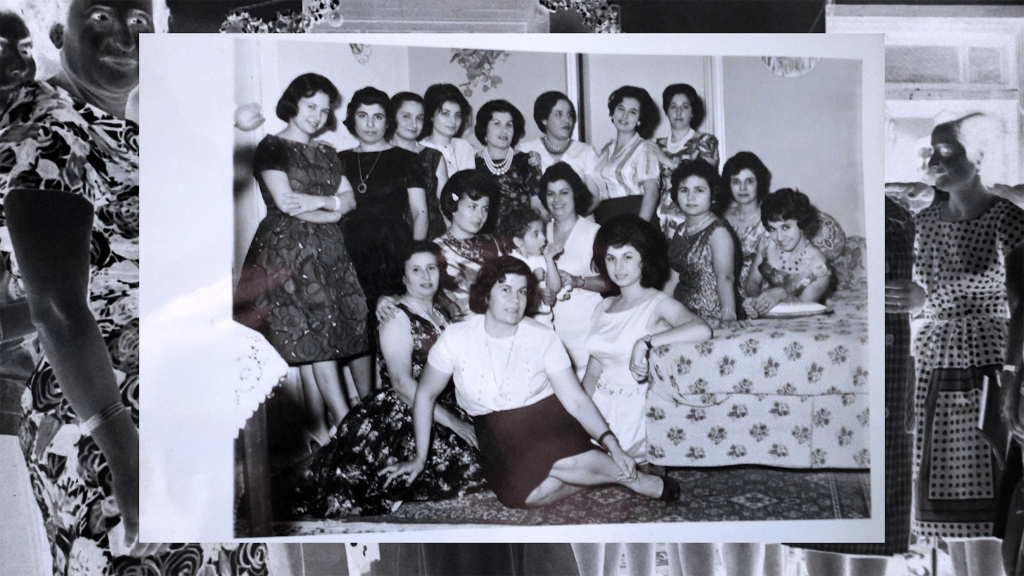
Still, On Another Note, Two-Channel Video, 24’12”, HD, Color, Black&White, Sound, 2024
LMG: Do you think there’s something you can bring to this world through your work as an artist which you couldn’t in any other field of work?
HT: I think by working with archives, I am always working in connection to history, and it becomes a way of challenging dominant narratives. Telling different stories or leaving traces of a different narrative. So I hope that my work leaves a trace of a different narrative that took place. Maybe that’s what makes me go on.
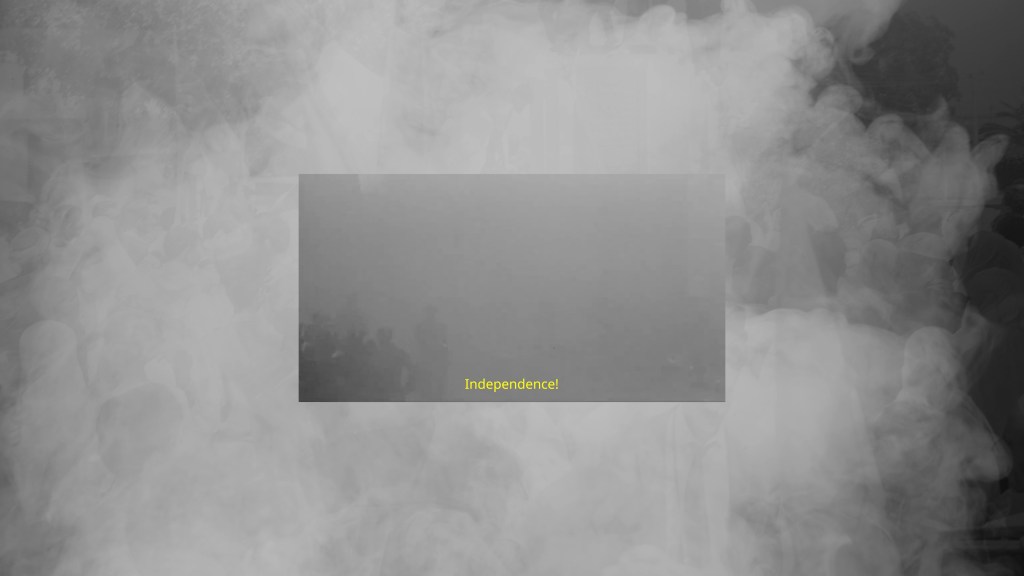
Still, Clarity is the Closest Wound to the Sun, 14’35”, 4K, colour, B&W, sound, 2023
You can see Huda’s work as part of the exhibition Lebt und arbeitet in Wien: Contemporary Art from Vienna at Kunsthalle Wien.
The opening is at the 30.04.26, starting 18h
The exhibition is running from 01.05. – 26.10.2026.
Credits:
Portrait photo: ©Eva Carasol
All stills and all artworks: ©Huda Takriti
Website: https://hudatakriti.com
Instagram: https://www.instagram.com/huda_takriti/
Exhibition: https://kunsthallewien.at/en/exhibition/lebt-und-arbeitet-in-wien-contemporary-art-from-vienna


Leave a Reply